Skip To Content
SheffieldFuel Tank Services

Fuel tank services for Sheffield.

For engineering premises, occupied workshops and the equipment that keeps them working.

Discuss Your Tank
Industrial fuel storage tank at a commercial premises
Fuel storage. Access. The next use of your space.

The job starts before the lift.

What is left inside? What is still connected? How does it get out?

Useful answers to those questions shape the method, the shutdown and the quotation.

Find The Service You Need

Keep the premises in the plan.

A fuel tank project is rarely just about the vessel. A redundant tank may sit behind machinery, feed a heating system or share a yard with deliveries. Sheffield Fuel Tank Services helps you start with the information that makes commercial work practical.

Enquire about removal, cleaning, permanent closure, generator removal or fuel polishing. Describe the equipment, the remaining contents and the final condition you need. With your agreement, your enquiry can be shared with a suitable service provider to assess the work and respond.

For an occupied workshop, say what must remain available and who controls the shutdown. For a property handover, describe the clearance and records required. The scope should follow those needs, rather than treating every old tank as the same job.
Six services. Different decisions.

Choose by the outcome you need.

Horizontal steel tank beside an outdoor building services unit
01

Fuel Tank Removal

The tank has to leave. Explore whole lifts, sectional removal, fuel recovery and the route from its current position to the collection vehicle. Include old connections and making good in the discussion before agreeing the scope.

Explore Fuel Tank Removal
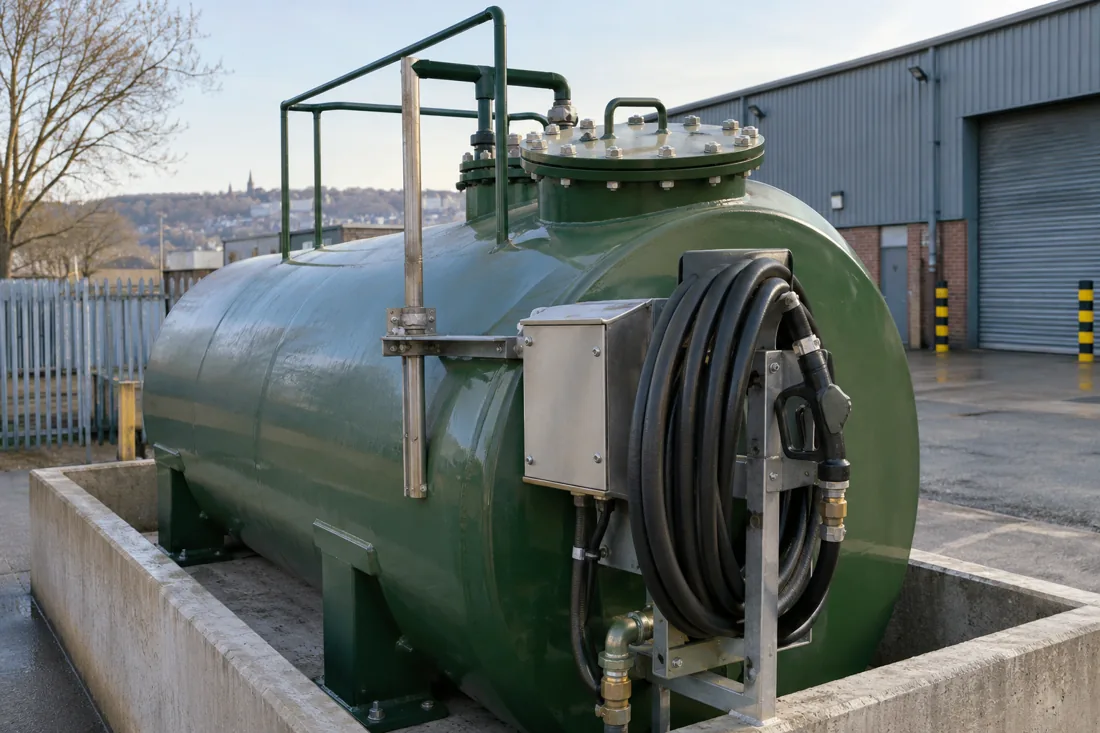
Coiled hoses beside a green tank within a concrete bund
02

Tank Cleaning

The vessel is staying, but deposits inside it need attention. Understand cleaning methods, shutdown arrangements and the difference between cleaning the tank and filtering its fuel. Recurring contamination deserves investigation alongside the clean.

Explore Tank Cleaning
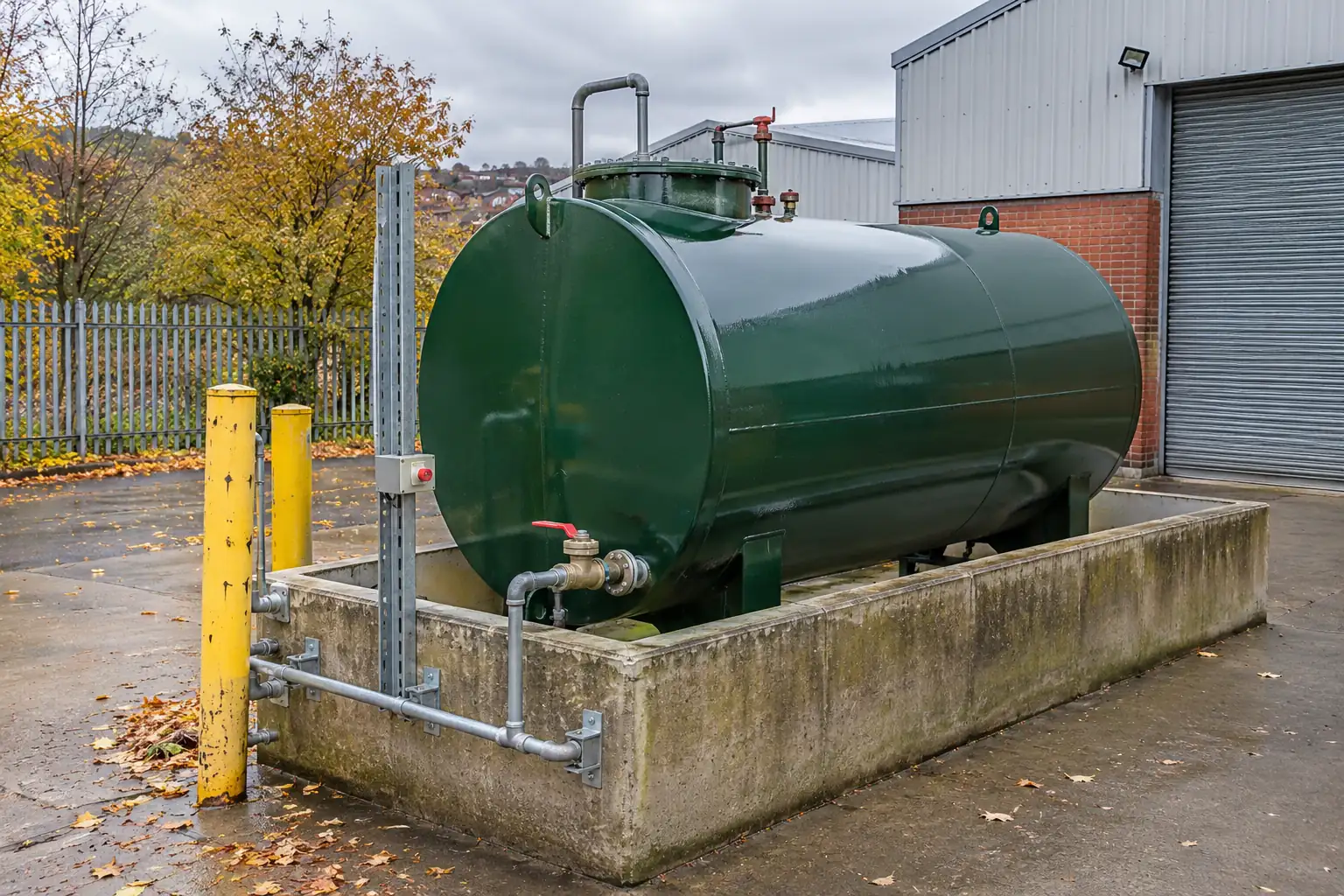
Green steel tank behind guardrails along a workshop access road
03

Tank Decommissioning

The system is permanently retiring. Trace the fill point, pipework and connected plant, then define whether the outcome is removal or an assessed closure in position. Keep a record that future contractors can understand.

Explore Tank Decommissioning
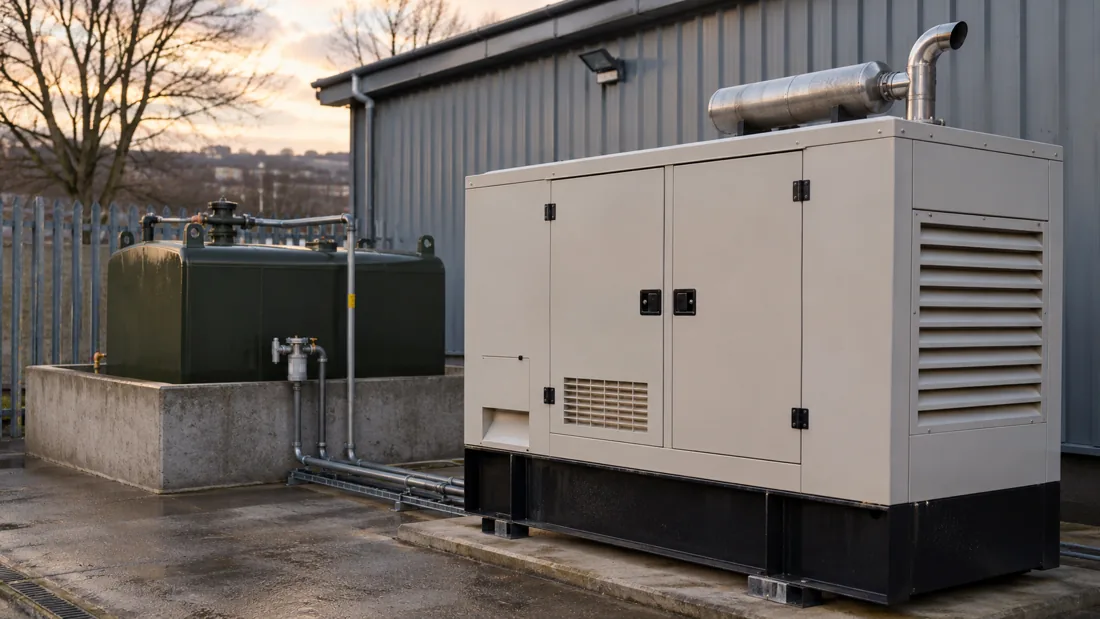
Enclosed cream generator and separate fuel tank beside a workshop
04

Generator Removal

The engine is one part of the installation. Plan around electrical interfaces, stored diesel, exhausts and handling access. Explain whether the generator is being disposed of, replaced or relocated before deciding the method.

Explore Generator Removal
Steel storage tank with visible fuel pipework at its base
05

Tank Foam Filling

The tank may need to remain. Compare filling with removal, account for preparation and consider the next use of the land. A retained tank needs accurate location records, and filling does not treat contaminated ground.

Explore Tank Foam Filling
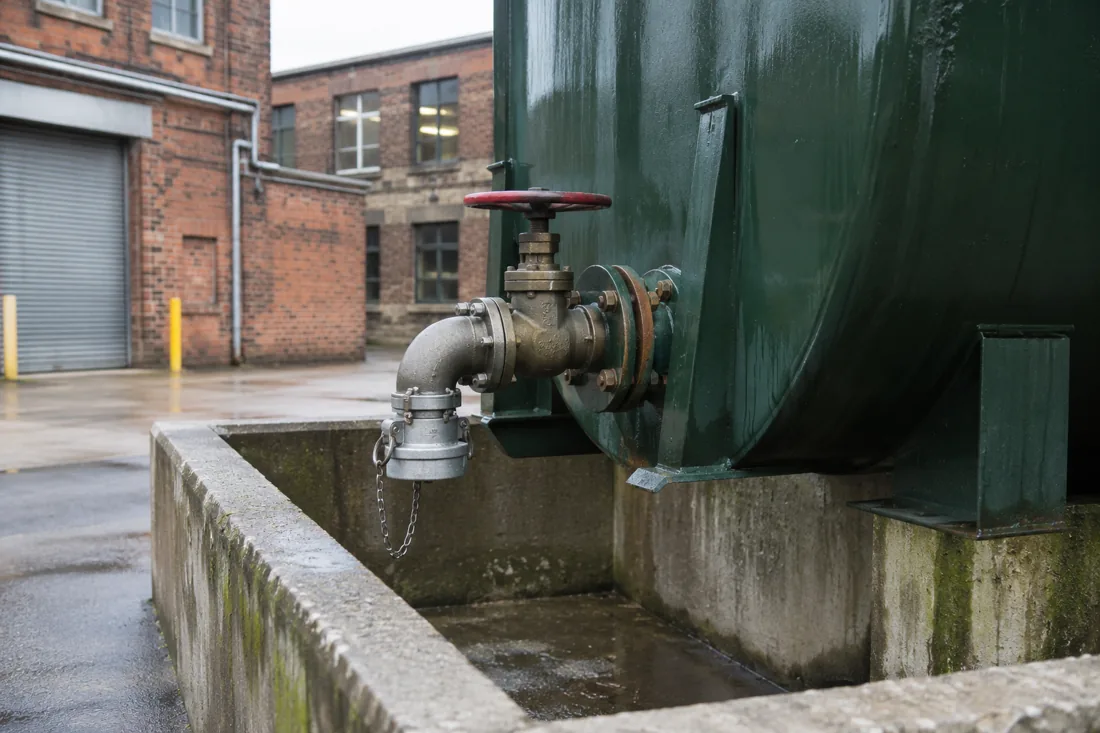
Fuel outlet pipe and valve beneath a steel storage tank
06

Fuel Polishing

The fuel may be recoverable. Assess water, particles and storage history before deciding on filtration. Polishing and tank cleaning solve different problems, and laboratory reporting should be specified where the equipment owner needs it.

Explore Fuel Polishing

From First Details To A Defined Scope

  1. Describe The Equipment

    Send the postcode, contents, approximate size and safe photographs. Include any drawings or inspection findings you already have.

  2. Resolve The Constraints

    Access, fuel recovery, shutdowns and future use determine what needs surveying and what belongs in the quotation.

  3. Agree The Finish

    Confirm what leaves, what stays, any reinstatement and the records needed for your premises file.

Across Sheffield, With Access In Mind

The Lower Don Valley's flood history makes drainage and spill protection relevant questions for low-lying sites. At rural premises towards Bradfield, a vehicle route and working position can be as important as the tank itself. Coverage is assessed from the postcode and the practical requirements of the job.

Read The Coverage And Access Guide

What Needs To Happen To Your Tank?

Tell us what is there now and what you want to achieve. Please do not open, disconnect or drain equipment for photographs.

This form is for planned enquiries and is not monitored as an emergency response channel.

Before You Send

A clear description is enough to start. If photographs or drawings are needed, these can be requested when your enquiry is reviewed. Do not include sensitive access codes.

A Few Useful Answers

Can You Work Around An Occupied Workshop?

Work at an occupied workshop needs an agreed boundary, shutdown window and access route. Tell us about production, deliveries and any equipment that must remain available. The method and programme should address those constraints before attendance is arranged. Do not assume that tank cleaning or removal can take place beside normal activities without separation.

What Do You Need Before Quoting?

A useful tank quotation starts with the postcode, tank type, dimensions, contents and the result you want. Safe photographs of the tank and full access route help identify constraints. State whether equipment is still connected and when it can stop. An initial enquiry may lead to a site survey before the scope is confirmed.